
Website Designing
Website Designing
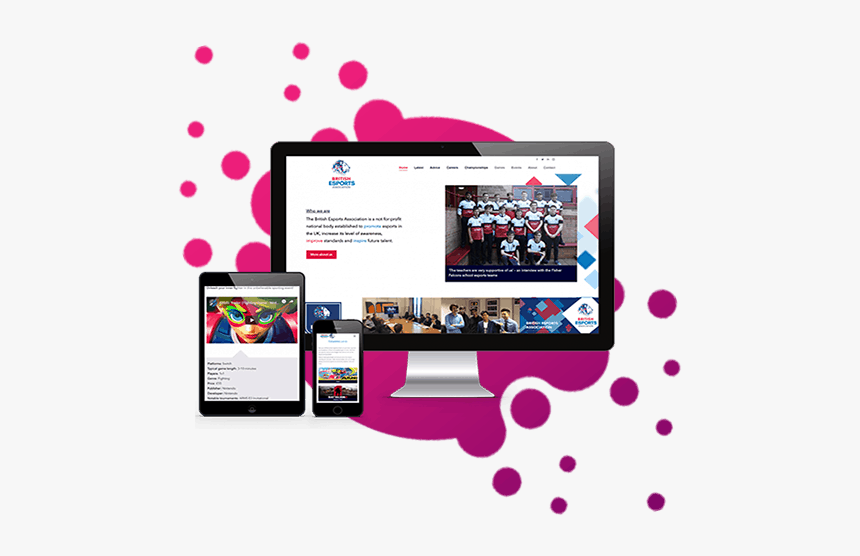
Website designing is a multifaceted process that involves planning, creating, and implementing the visual and functional elements of a website to effectively communicate a brand's message and engage users. The process begins with understanding the client's objectives, target audience, and branding guidelines. This initial research phase is crucial for informing the design and content strategy of the website. Designers then create wireframes and mockups to visualize the website's layout, structure, and user interface.
Once the design is approved, front-end developers translate the visual mockups into code using HTML, CSS, and JavaScript. They ensure that the website is responsive, meaning it adapts to different screen sizes and devices, and accessible, meaning it can be used by people with disabilities. Meanwhile, back-end developers build the server-side functionality of the website, such as database management and content management system (CMS) integration.
Content creators develop relevant and compelling content for the website, including text, images, videos, and graphics. They optimize content for search engines (SEO) to improve visibility and drive organic traffic to the website. Testing and quality assurance are essential steps to ensure that the website functions correctly and provides a seamless user experience. This includes usability testing, browser compatibility testing, performance testing, and security testing.
Once the website is thoroughly tested and approved by the client, it is ready for launch. Deployment involves transferring the website files to a web server and configuring domain settings to make the website accessible to users. After the website is live, it requires ongoing maintenance and updates to keep it secure, fast, and up-to-date with industry standards. This includes monitoring for issues, updating software and plugins, and making necessary improvements based on user feedback and analytics data.
Website designing is the process of creating visually appealing and functional websites that effectively communicate a brand's message, engage users, and achieve specific business objectives. It involves various elements, including:
Understanding Client Needs The first step in website designing is understanding the client's goals, target audience, branding guidelines, and desired features and functionalities for the website.
Planning and Research This phase involves conducting market research, competitor analysis, and user research to gather insights that inform the website's design and content strategy. Additionally, creating sitemaps, wireframes, and prototypes helps visualize the website's structure and layout.
Designing The design phase focuses on creating the visual elements of the website, including the overall look and feel, color scheme, typography, and imagery. Designers use tools like Adobe Photoshop, Adobe XD, or Sketch to design mockups and prototypes.
Front-end Development Front-end developers translate the design mockups into code using HTML, CSS, and JavaScript. They ensure that the website is responsive, accessible, and optimized for various devices and browsers.
Back-end Development Back-end developers build the server-side functionality of the website, such as database management, user authentication, and content management system (CMS) integration. They use languages like PHP, Python, Ruby, or JavaScript (with Node.js) and frameworks like Laravel, Django, or Express.js.
Content Creation and Integration Content creators develop compelling and relevant content for the website, including text, images, videos, and graphics. They optimize content for search engines (SEO) and integrate it into the website using CMS platforms like WordPress, Drupal, or Joomla.
Testing and Quality Assurance Testing is essential to ensure that the website functions correctly, loads quickly, and provides a seamless user experience. This includes usability testing, browser compatibility testing, performance testing, and security testing.
Launch and Deployment Once the website is thoroughly tested and approved by the client, it is ready for launch. Deployment involves transferring the website files to a web server and configuring domain settings to make the website accessible to users.
Maintenance and Updates Website maintenance involves regularly monitoring the website for issues, updating software and plugins, and making necessary improvements to keep the website secure, fast, and up-to-date with industry standards.
Analytics and Optimization After the website is live, it's crucial to track its performance using web analytics tools like Google Analytics. Analyzing user data helps identify areas for improvement and optimization to enhance the website's effectiveness over time.